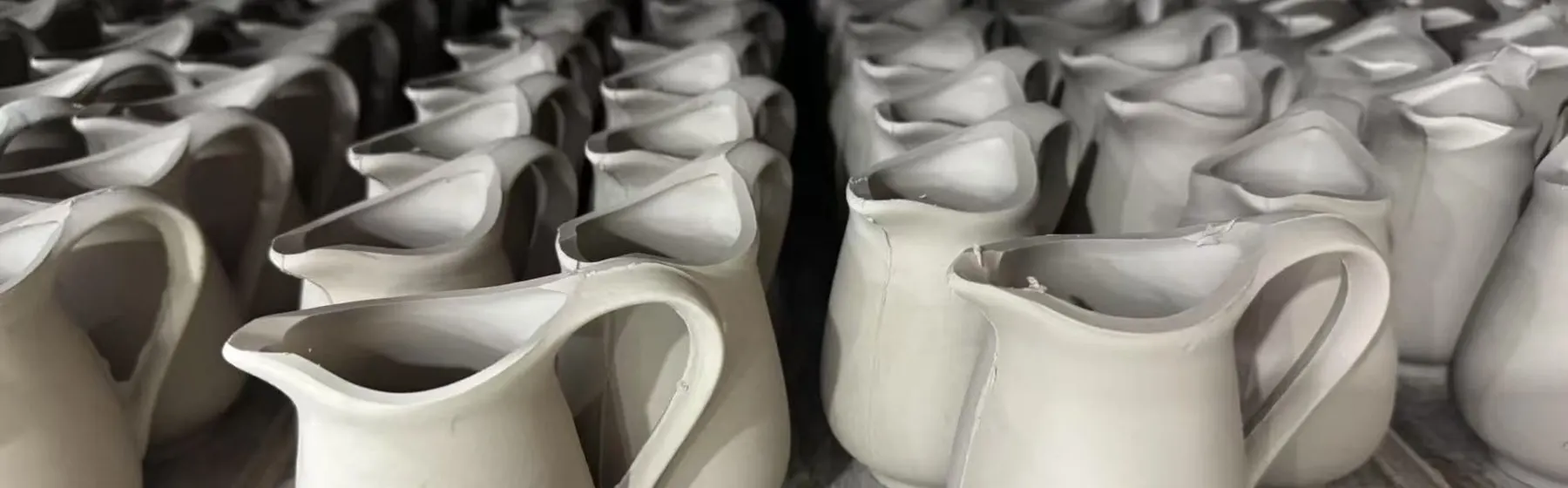
Unfired stoneware pitchers drying in rows at a Vietnam ceramic factory

What we do

What does a sourcing and product development partner do for a home goods brand?

We turn what shoppers keep wanting into products that sell on the shelf now — and we stand behind them. For home fragrance, tabletop and home décor programs, Jason Craft covers four things: market research and design proposals, product design and development, supply chain management across Taiwan, China and Vietnam, and quality and delivery we take responsibility for.

01 · Market research & design proposals

We read the shelf before we draw the product

What people want from a candle or a dinner table barely changes. The format that delivers it changes every season. We track North American home retail every month — what is moving on the shelf, at which price, in which material and color — and turn it into product directions.

  • Monthly North American home trend reading across home fragrance, tabletop and décor
  • Retail price mapping: we work back from the shelf price to the product that can hit it
  • Proposals with three product directions tailored to your customer and your shelf
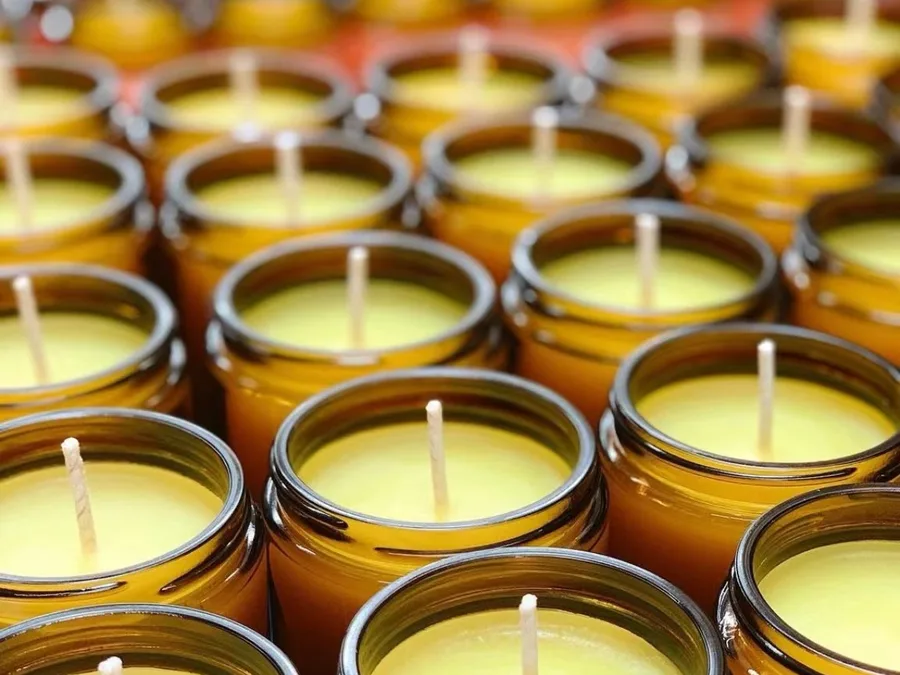
Filled amber glass candles with cotton wicks
Amber glass candles — a format we track season to season.

02 · Product design & development

From a sketch to an approved sample, in eight steps

  1. Project direction — objectives, requirements and target retail price.
  2. Brainstorming — size, shape, function, color and material.
  3. Design development — sketches to 2D graphics, CAD and 3D models.
  4. 3D prototype — 3D-printed samples for review when needed.
  5. Review meeting — with your team and our designers, by call or in person.
  6. Re-sample — revised samples based on your feedback.
  7. Tooling & sampling — carving, molds and first production samples.
  8. Final review — samples for your testing and approval.

Decoration we develop in-house with our factories: hand-painting, carving, decals, color and reactive glazes, spray glazing, gradient spray, sand-blasting, silk-screening, acid-etching and colored art glass.

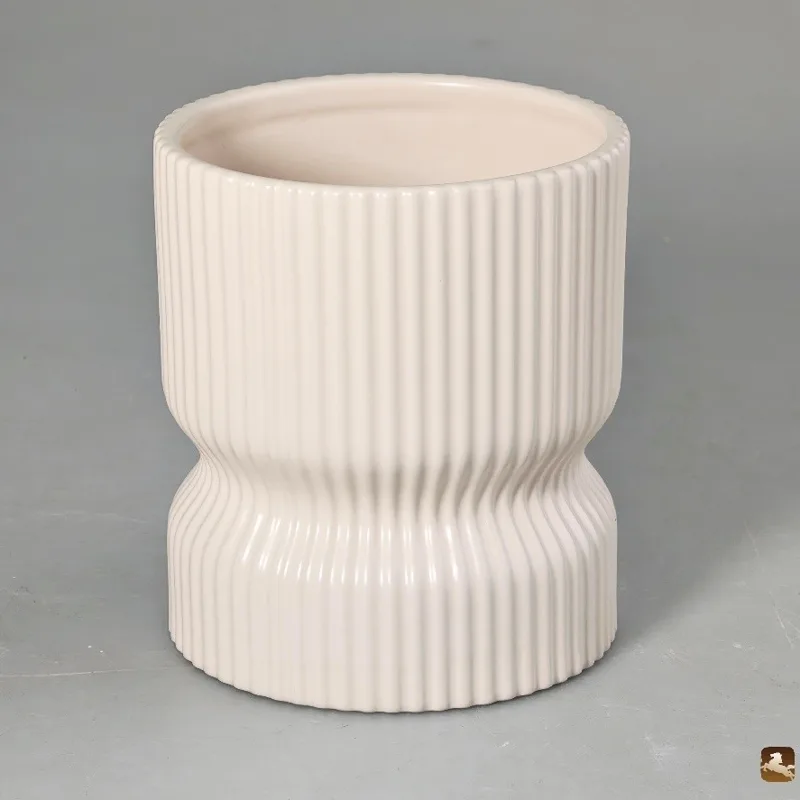
Fluted white ceramic candle vessel
Fluted ceramic vessel
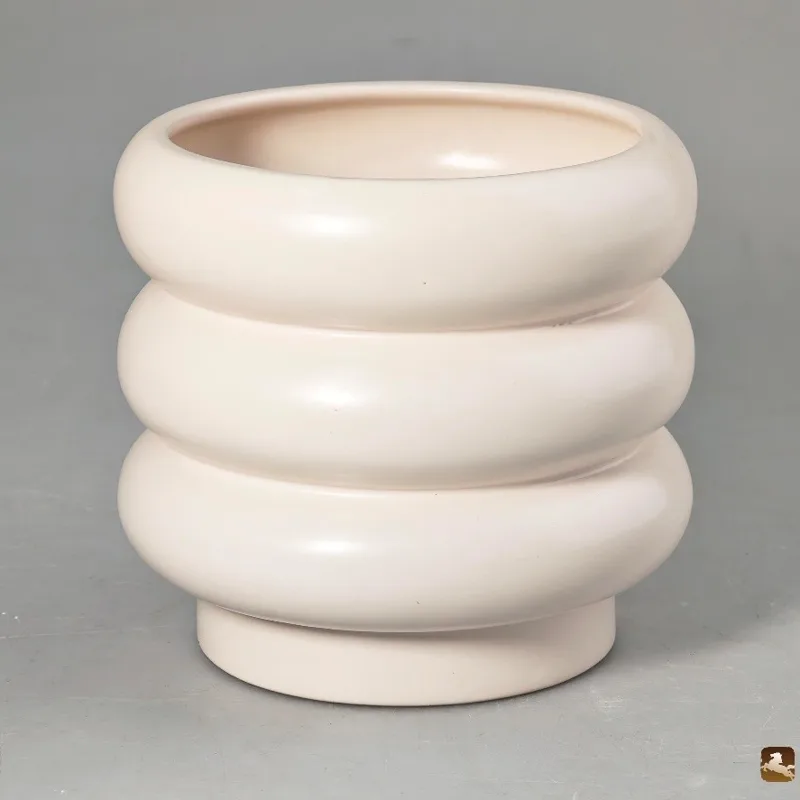
Stacked-ring white ceramic vessel
Stacked-ring vessel
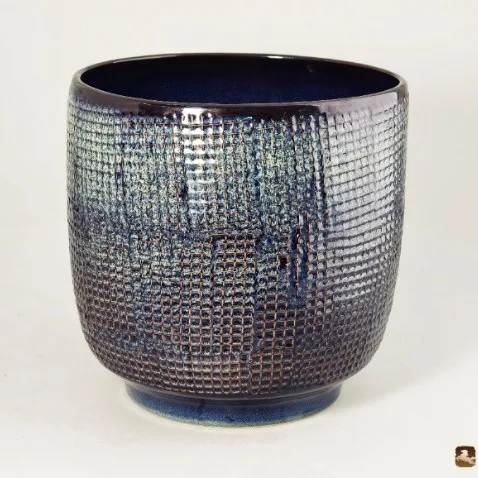
Textured ceramic vessel with deep blue reactive glaze
Textured reactive glaze
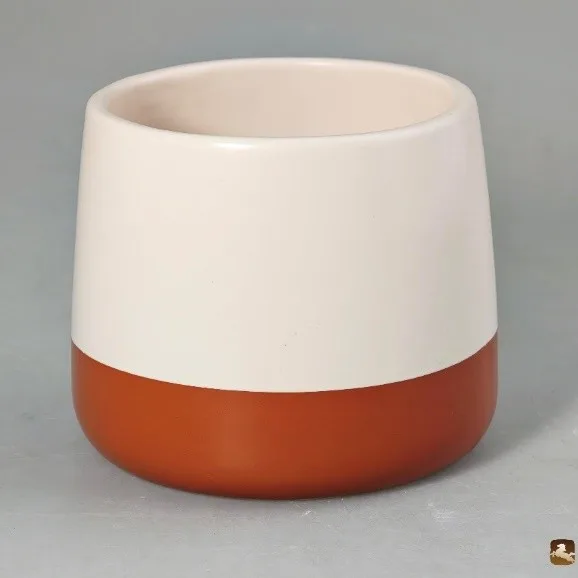
Two-tone ceramic vessel, white glaze over terracotta base
Two-tone glaze

03 · Supply chain management

Each item in the origin where it is strongest

  • Three origins — marble in Taiwan, manufacturing and mold engineering in China, glass and ceramics in Vietnam.
  • Dual-origin programs — the same item qualified in two origins, so volume can move when tariffs or capacity change.
  • Genuine origin — no transshipment; every shipment travels with a Certificate of Origin.
  • One PO, many materials — glass, ceramic, metal, wood and packaging consolidated into one program.
  • Quotes that hold — currency clauses and rate locks, so January's number still holds in June.
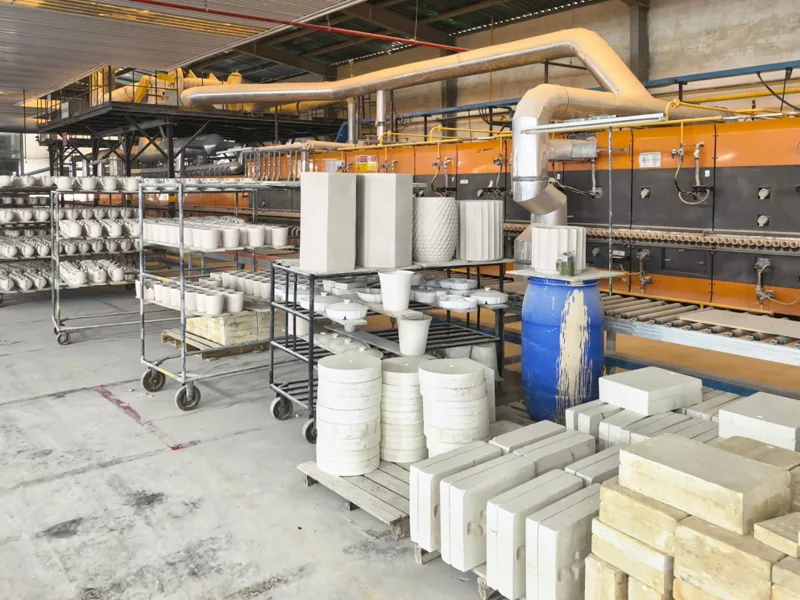
Ceramic ware on drying racks in a Vietnam factory
Ceramic drying room, Vietnam.

04 · Quality & delivery we stand behind

When something goes wrong, we own it

Quality control and compliance are the entry ticket, not the selling point. What matters is what happens when a lot fails or a date slips — and who is responsible. Our QC staff control quality from incoming materials, sample during production and run a final inspection before shipment; products are tested by independent labs, and when there is a problem we fix it with the factory and carry it through to the next order.

The record: PartyLite recognized Jason Craft for on-time delivery six times between 2003 and 2015, and as Supplier of the Year in 2001, 2009 and 2012.

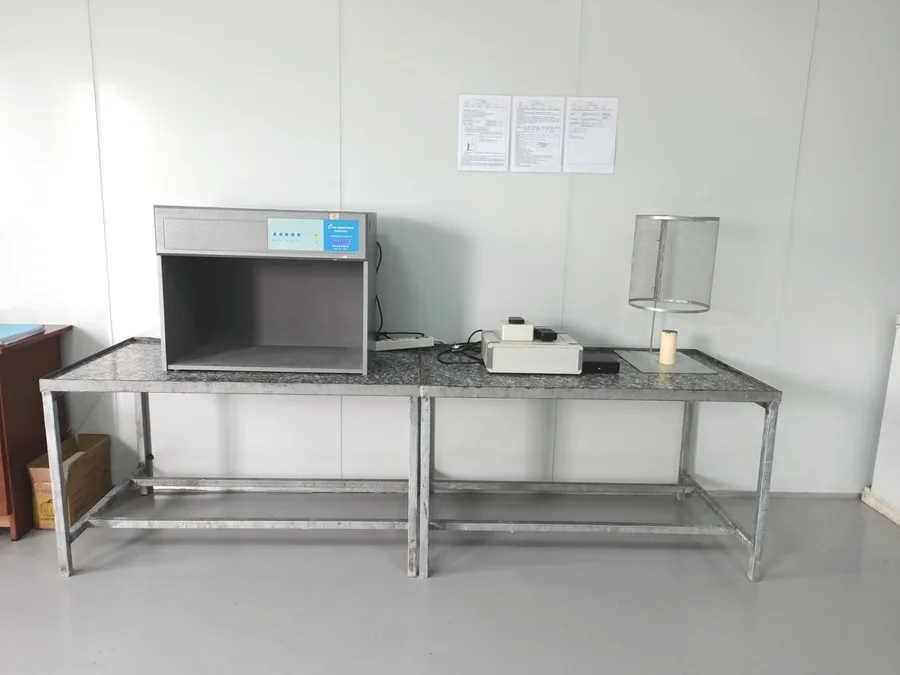
QC station with a color-matching light box and burn-test cage
Color matching and burn testing before shipment.

See how this works in five real programs →

Compliance, audits & testing

How do we prove a product is safe to sell in the U.S.?

With third-party lab reports on the product itself, our own inspectors on the production line, and audit documents checked factory by factory. We do not quote a certificate we cannot show you.

Third-party product testing

We send production samples to independent laboratories, including Eurofins and SGS, and test against the rules of the market the product is sold in. Recent reports for our tabletop, kitchen and home fragrance programs cover:

  • Lead and cadmium in ceramic tableware — U.S. FDA CPG 7117.06 / 7117.07 leaching limits, California Proposition 65 consent-decree levels, and the California Tableware Safety Law (Health & Safety Code 108860).
  • Food-contact materials — U.S. FDA 21 CFR requirements for melamine (177.1460), polypropylene (177.1520), coatings (175.300), sealing gaskets (177.1210) and treated wood (178.3800), plus BPA screening where the buyer requires it.
  • Glass candle vessels — ASTM F2179 for glass containers used as candle holders, and lead content of painted and decorated surfaces.
  • Electric warmers and diffusers — electric home fragrance products we have supplied to North American retail have carried ETL listing from Intertek to UL 1026 / CSA C22.2 No. 64. Listing is tied to the exact model, so we confirm it model by model for each program.

Test reports are tied to the item, the factory and the buyer that ordered them. We share the relevant report with you under NDA, and we arrange new testing for your item. Test fees are listed as a separate line in the quote.

Factory audits

Factories we work with have been through third-party social-compliance and security audits, including amfori BSCI and SCAN supply-chain security audits carried out by accredited audit firms. Audit certificates are available on request. For each program we also check the current audit status of the specific factory, share the latest report, and, if your program needs it, schedule the audit scheme you require before production starts.

Company verification

Jason Craft Corporation is D-U-N-S® registered with Dun & Bradstreet.

Our own inspections

Our QC staff in China and Vietnam control quality at three points:

  1. Incoming materials — raw materials, components and packaging are checked before production starts.
  2. In-process sampling — lots are sampled on the production line, so problems are caught while they can still be fixed.
  3. Final inspection — every order is inspected before shipment.

Every result is logged in our inspection system with photos and defect notes. When a lot fails, the factory reworks it and we inspect it again.

Vietnam production at a glance

CeramicsGlass
Main productsCandle vessels, dinnerware, vases, decorative ceramicsCandle vessels, mugs and cups, threaded bottles, lamp shades
ProcessesPorcelain and stoneware; hand-painting, carving, decals, color and reactive glazes, spray glazingAutomated, semi-automated, hand-blown, centrifugal and press lines; threaded bottle line with annealing kiln
Sample timeAround 21 daysAround 35–45 days (hand-tooled samples, made in China)
Production lead timeAround 90 days first order; 75–90 days repeatAround 60–90 days once production tooling is ready
MOQFrom 2,000–5,000 pcs per designFrom 2,000 pcs hand-blown; ~30,000 semi-automated; ~50,000 automated
Factory auditAudited factory; certificate available on requestDedicated QC team on site

Ranges depend on the design, decoration and season. We confirm exact MOQ and timing for each item.

Frequently asked questions

What is the MOQ for ceramic products made in Vietnam?
Typically from 2,000 to 5,000 pieces per design, depending on the shape and decoration.
How long does ceramic sampling and production take in Vietnam?
Samples take around 21 days. A first order takes around 90 days and repeat orders around 75 to 90 days.
What is the MOQ for glass candle vessels made in Vietnam?
It depends on the process: from 2,000 pieces for hand-blown glass, around 30,000 for semi-automated lines and around 50,000 for fully automated machine lines.
How long does glass sampling and production take?
Hand-tooled glass samples take around 35 to 45 days; mass production takes around 60 to 90 days once production tooling is ready. To keep sampling fast, samples and tooling are made in China and the tooling is then moved to Vietnam for production.
Can you develop a product from a sketch or a target retail price?
Yes. We start from your direction, sketch or target retail price, develop 2D drawings, CAD and 3D models, make 3D-printed prototypes when needed, then move to tooling and production samples for your approval.

Start with the shelf you are aiming for

Send us the category, the retail price you want to hit and the timing. We will come back with directions, an origin and what it takes to get there.

Start a conversation